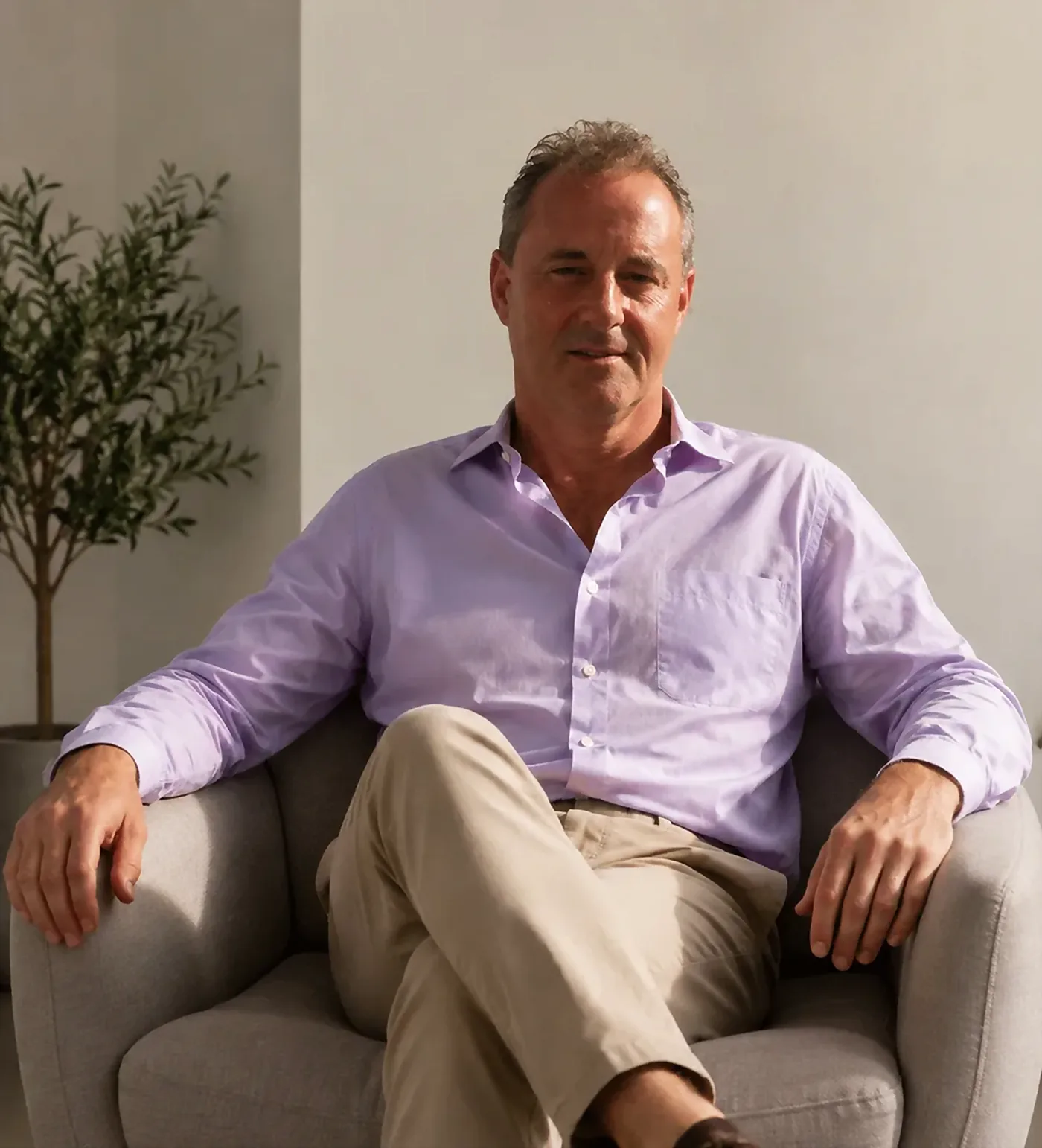
Plan for overload
DBT’s “cope ahead” skill means rehearsing a hard situation in advance. Pack headphones, plan an exit and decide what you’ll say before you go.
Need help right now? 999 NHS 111, option 2 Samaritans 116 123 Text SHOUT to 85258
Impulsive choices, big reactions and feeling different from everyone else can come from BPD, ADHD, autism, or a mix. Women in particular are often given one label when another fits better. This page explains where the three overlap, how they differ, and how to ask for the right assessment.
Sound familiar?
These experiences can belong to BPD, ADHD, autism or more than one at once.
Borderline personality disorder (BPD), which NHS letters often call emotionally unstable personality disorder (EUPD), is about intense emotions, unstable relationships and a shifting sense of self. ADHD and autism are neurodevelopmental conditions: differences in how the brain develops, present from childhood.
On the surface they can look alike. All three can bring big emotional reactions, impulsive acts, trouble with relationships and a sense of not fitting in. The reasons underneath are different, and that’s what matters for treatment.
You can have more than one. Having ADHD or being autistic doesn’t rule out BPD, and a BPD diagnosis doesn’t rule out the others.
ADHD (attention deficit hyperactivity disorder) brings trouble with attention, restlessness and impulsivity that started in childhood and shows up in most areas of life. BPD impulsivity tends to rise with emotion, often after feeling rejected or abandoned.
Start with your GP, who can refer you to an ADHD specialist such as a psychiatrist. The NHS says you may be able to find a clinic with a shorter waiting list using the Right to Choose scheme: you can ask to be referred to any provider that offers NHS ADHD assessments in England. Read the NHS guidance on ADHD in adults and your choices in the NHS.
Autism affects how you experience the world, other people and your senses. Autistic meltdowns, social exhaustion and a feeling of being an outsider can look like BPD from outside, and more so in an adult who has learned to hide their differences.
An autism assessment also starts with your GP, who can refer you to a local service.
The NHS notes that it can be harder to see signs of autism in women because of masking: hiding your differences by copying how other people behave.
A woman who masks all day may reach a doctor in her twenties or thirties exhausted, overwhelmed and self-harming. Without a childhood history, that can look like BPD. A 2024 study from Brighton and Sussex Medical School interviewed autistic adults who had first been diagnosed with BPD, and many described their autistic traits being missed.
ADHD in girls can be missed too, when it shows up as daydreaming more than disruption. If your BPD diagnosis doesn’t fit, you can ask your GP for a review.
Things to try
These skills from dialectical behaviour therapy (DBT) work for BPD and adapt well to ADHD and autism. Try one this week.
DBT’s “cope ahead” skill means rehearsing a hard situation in advance. Pack headphones, plan an exit and decide what you’ll say before you go.
Find the textures, sounds and smells that calm you, and keep them close. DBT calls this self-soothing, and it suits a sensitive nervous system.
DBT’s DEAR MAN skill gives you a script: describe, express, assert, reinforce. Use it to ask for adjustments at work or at home.
I don’t assess ADHD or autism, and I don’t diagnose BPD. What I can do is help with the emotional storms, the relationships and the sense of self, whatever the mix of labels.
If you’re neurodivergent, I adapt how we work: shorter written summaries, clear structure, breaks when you need them, and online sessions if travel or a new room is too much. We use DBT-informed skills, adjusted to fit how your brain works.
If something you describe sounds like it needs an assessment, I’ll say so and help you prepare for the GP appointment. I work alongside your GP or NHS team, never instead of them.
The evidence
Research on these overlaps is growing fast, and much of it is small. Here’s an honest summary.
If you’re thinking about ending your life, have hurt yourself and need medical help, or feel you can’t keep yourself safe, get help now. You don’t need to be sure it’s an emergency.
I’m not an emergency service and can’t reply around the clock.
In their words
4.9
from 210+ reviews on Trusted Practitioner
… Before I even started we did a free 30 minute consultation call and that's when I knew he was the one for me.
Questions
Yes. They’re separate conditions and can occur together. Impulsivity is part of both, so a specialist will look at when it started and what sets it off.
It can happen, because autistic women often mask their differences and arrive at services as adults in distress. Research on this is growing. If your diagnosis doesn’t fit, ask your GP for a review.
In England, when your GP refers you for a first appointment, you have the right to choose which NHS-funded provider sees you. The NHS says this may help you find an ADHD clinic with a shorter waiting list. Ask your GP about it at the appointment.
No. I don’t assess or diagnose ADHD, autism or BPD. Your GP can refer you to the right specialist, and I can help you prepare what to say.
Skills-based therapy can help, with adjustments. Clear structure, written notes and attention to sensory needs make a difference. Tell me what works for you on the free call.
Get in touch
Tell me a little about what’s going on, and I’ll get back to you.
Rather text? 07825 599340
Or email stuart@stuartdowning.co.uk