Track the shifts
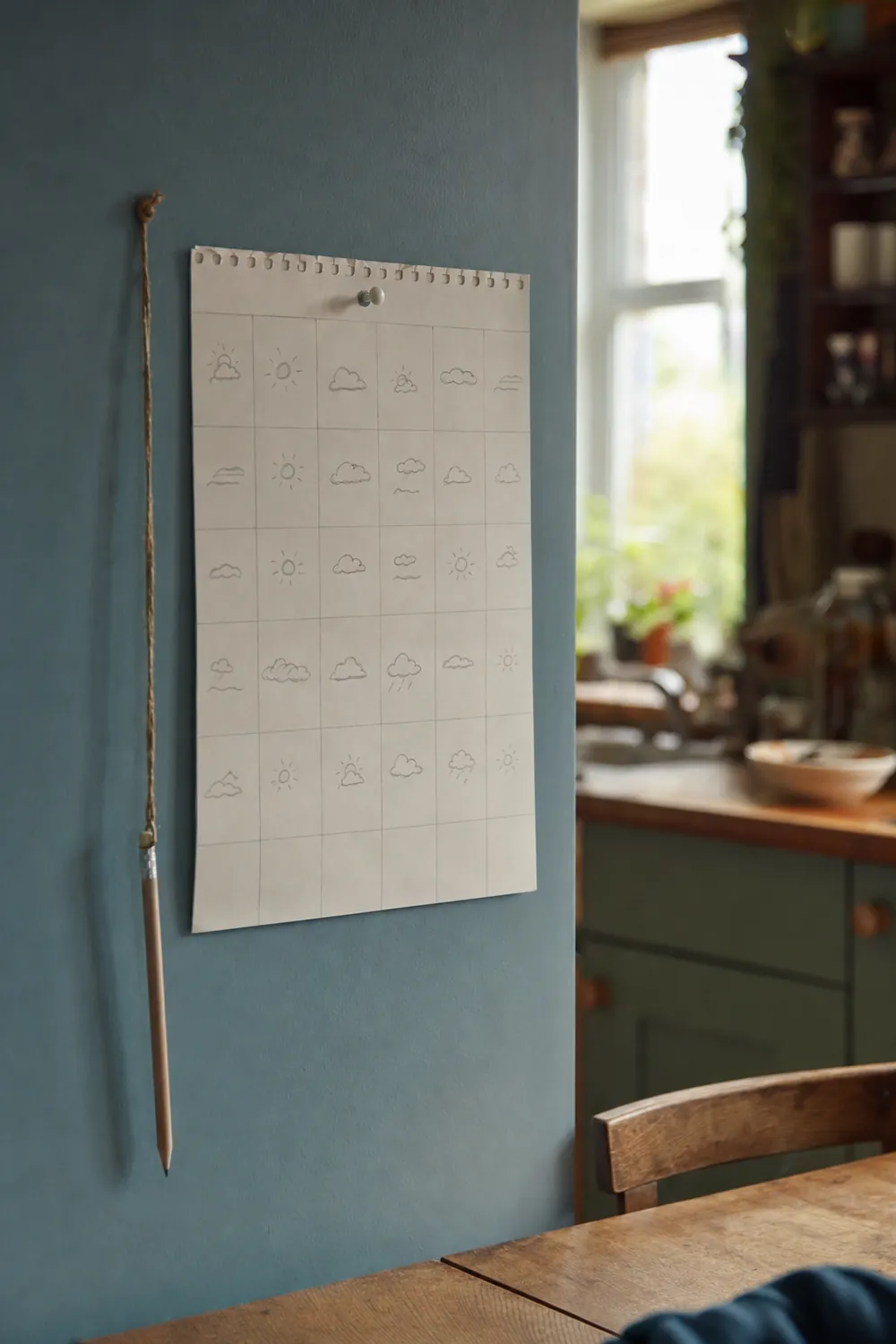
- Note your mood three times a day, from 0 to 10
- Write what happened just before any big change
- Bring two weeks of notes to your GP or psychiatrist
Need help right now? 999 NHS 111, option 2 Samaritans 116 123 Text SHOUT to 85258
BPD and bipolar disorder both involve big mood changes, so they’re often mixed up, sometimes by professionals. The clearest differences are how long the moods last, what sets them off, and what treatment helps. This page lays them out side by side.
Sound familiar?
These are the kinds of mood changes that lead people to ask whether it’s BPD or bipolar.
Bipolar disorder is a mood disorder with episodes of depression and of mania or hypomania that last days or weeks. BPD is a pattern of intense emotions that shift fast, often within hours, in response to what’s happening around you.
Borderline personality disorder (BPD), which NHS letters often call emotionally unstable personality disorder (EUPD), centres on emotions, relationships and sense of self. The NHS describes bipolar moods as lasting “a few days or weeks at a time”, with stable periods in between that can last weeks, months or years.
A useful question is what started the shift. In BPD, it’s often a trigger you can name, such as feeling rejected. In bipolar, episodes can arrive with no clear cause.
At a glance
A general guide to how the two tend to differ. Some people have both, and only an assessment can tell.
| Area | BPD (EUPD) | Bipolar disorder |
|---|---|---|
| How long moods last | Hours, sometimes a day or two | Days or weeks per episode |
| What sets them off | Often a trigger in relationships, such as rejection or criticism | Can start without a clear trigger |
| Between episodes | Emotions stay reactive most of the time | Stable periods that can last weeks, months or years |
| Highs | Short bursts of excitement or relief | Mania or hypomania: little need for sleep, racing thoughts, big plans |
| Role of medication | NICE advises against drug treatment for BPD itself | Central. NICE names lithium as the first choice for long-term treatment |
| Main talking therapy | The main treatment: DBT, MBT and similar approaches | Offered alongside medication |
Only a psychiatrist can tell you whether you have BPD, bipolar or both. I don’t diagnose, and I never advise on medication.
Both conditions can bring anger, impulsive choices, low moods and risk to your safety. In a short appointment, “my mood goes up and down” can sound the same whatever sits behind it.
Some people with BPD are first diagnosed with bipolar and given mood medication that doesn’t help as much as expected. Others have bipolar and are told it’s “just personality”. Both mistakes cost people time, and can leave you feeling that nothing works.
Moods also look different from the inside and the outside. A partner may see a week of chaos where you remember a dozen separate storms, each with its own cause.
The detail that helps a psychiatrist most is a record of how long your moods last and what was happening when they changed. That’s something you can start keeping today.
Things to try
These three skills come from dialectical behaviour therapy (DBT). They help with BPD, and the records you keep help any assessment.
In the first sessions, I ask about the rhythm of your moods: how fast they change, what sets them off, and how you sleep. If what you describe sounds like bipolar, or you’ve never had a psychiatric assessment, I’ll suggest you speak to your GP before we go further.
For BPD, we work on the triggers and the skills to ride the wave, using DBT-informed skills and schema-informed work on the beliefs underneath. If you’re being treated for bipolar as well, therapy with me fits around your psychiatrist’s plan. I never comment on medication; that’s for your prescriber.
I work alongside your GP or NHS team, never instead of them.
A short video
A short explainer on bipolar disorder: periods of high and low mood that change energy, thinking and behaviour.
Mood episodes in bipolar disorder usually last longer than the fast shifts most people with BPD describe.
Telling them apart is a job for a psychiatrist. If you’re not sure which fits, start with your GP.
The evidence
The two conditions are treated in different ways, and the guidance reflects that.
If you’re thinking about ending your life, have hurt yourself and need medical help, or feel you can’t keep yourself safe, get help now. You don’t need to be sure it’s an emergency.
I’m not an emergency service and can’t reply around the clock.
In their words
4.9
from 210+ reviews on Trusted Practitioner
… coming up against many therapists who don’t want to treat anyone with BPD, I found Stuart via facebook and contacted him. … the improvement has been noticeable and huge.
Questions
Yes, some people have both. That’s one reason an assessment by a psychiatrist matters, as each needs its own treatment plan.
No. BPD is a personality disorder, centred on emotions, relationships and sense of self. Bipolar disorder is a mood disorder with distinct episodes. They’re separate diagnoses with different treatments.
It can happen, and the other way round too, because both involve mood changes. If your diagnosis doesn’t fit what you live with, ask your GP to refer you for a review and bring a record of your moods.
NICE advises against drug treatment for BPD itself, because talking therapy is the main treatment. A psychiatrist may prescribe for other conditions, such as depression. Never stop or change medication without speaking to your prescriber.
In BPD, intense moods tend to last hours, and sometimes a day or two. They often follow something that happened, like a row or a feeling of being let down. Bipolar episodes last longer, often days or weeks.
If you have bipolar alongside BPD traits, I can work with the BPD side while your psychiatrist manages the bipolar. We’d talk on the free call about whether that fits you.
Get in touch
Tell me a little about what’s going on, and I’ll get back to you.
Rather text? 07825 599340
Or email stuart@stuartdowning.co.uk